
Maximizing Efficiency with Efficient Industrial Design

In today’s fast-paced industries, efficiency is not just a goal - it is a necessity. We must continuously seek ways to optimize processes, reduce waste, and improve productivity. Efficient industrial design plays a crucial role in achieving these objectives. By integrating thoughtful design principles with engineering expertise, we can create systems and products that perform better, cost less, and operate more safely.
The Role of Efficient Industrial Design in Modern Industries
Efficient industrial design focuses on creating products and systems that maximize functionality while minimizing resource use. This approach is essential across sectors such as energy, chemicals, manufacturing, commercial, residential, and resources. When we apply efficient industrial design, we consider every aspect of the product lifecycle - from raw material sourcing to manufacturing, operation, and end-of-life disposal.
For example, in manufacturing, designing machinery with modular components can reduce downtime during maintenance. In the energy sector, equipment designed for easy access and repair can significantly improve operational uptime. These design choices directly impact productivity and cost-effectiveness.
We also emphasize sustainability. Efficient industrial design helps reduce energy consumption and material waste. This not only lowers operational costs but also supports environmental goals. By adopting these principles, we contribute to safer workplaces and more reliable systems.
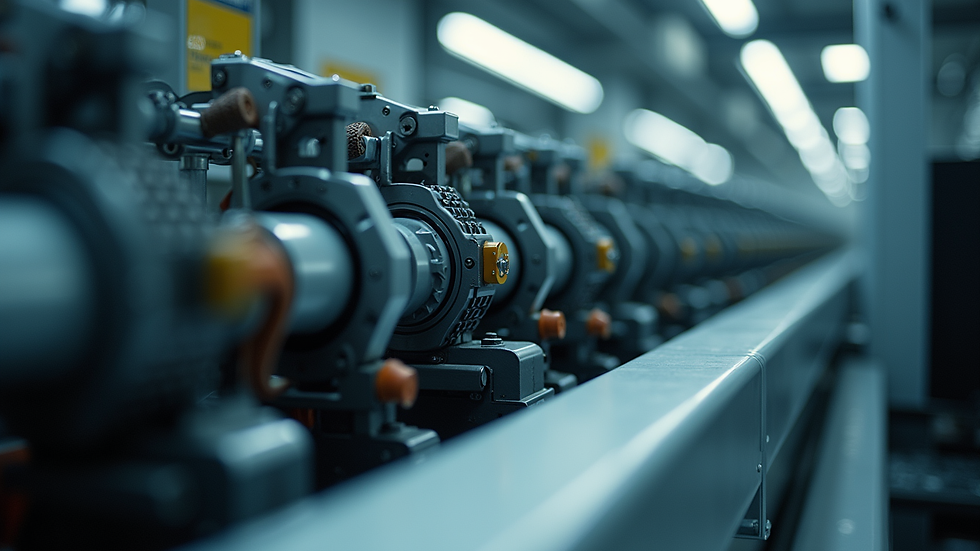
How Efficient Industrial Design Enhances Operational Efficiency
Operational efficiency depends on how well systems and processes are designed and integrated. Efficient industrial design improves this by:
Streamlining workflows: Designing layouts that minimize unnecessary movement and handling.
Reducing complexity: Simplifying components and interfaces to lower the chance of errors.
Improving ergonomics: Ensuring that equipment is user-friendly and reduces operator fatigue.
Facilitating automation: Designing systems that easily integrate with automated controls and robotics.
For instance, in chemical processing plants, efficient piping design reduces pressure drops and energy consumption. In residential construction, prefabricated components designed for quick assembly save time and labor costs.
We recommend conducting thorough process mapping and time-motion studies before finalizing designs. This helps identify bottlenecks and areas for improvement. Collaborating closely with operators and maintenance teams during the design phase ensures practical and effective solutions.

Is IE a Good Career Choice?
Industrial engineering (IE) offers a promising career path for those interested in optimizing systems and processes. It combines technical knowledge with problem-solving skills to improve efficiency, quality, and safety in various industries.
As industrial engineers, we work on designing workflows, managing supply chains, and implementing quality control measures. The demand for IE professionals remains strong due to the ongoing need for cost reduction and productivity enhancement.
Career opportunities span multiple sectors including manufacturing, energy, healthcare, and logistics. The role often involves collaboration with cross-functional teams, providing a dynamic and engaging work environment.
Moreover, industrial engineering offers a solid foundation for leadership roles. The skills developed in process analysis, project management, and systems thinking are highly valued in management positions.
Practical Strategies to Maximize Efficiency
To maximize efficiency through industrial engineering and design, we suggest the following strategies:
Adopt Lean Principles: Focus on eliminating waste in all forms - time, materials, and effort. Techniques like 5S, Kaizen, and value stream mapping are effective tools.
Invest in Technology: Use advanced software for simulation, design, and process control. Automation and data analytics can uncover hidden inefficiencies.
Standardize Processes: Develop clear procedures and documentation to ensure consistency and reduce errors.
Train Workforce: Equip employees with the skills and knowledge to operate efficiently and safely.
Continuous Improvement: Establish feedback loops and performance metrics to monitor progress and identify new opportunities.
By implementing these strategies, we create resilient systems that adapt to changing demands and challenges.
Moving Forward with Confidence and Clarity
Efficient industrial design is a cornerstone of operational excellence. It enables us to build systems that are not only productive but also sustainable and safe. As we face increasing complexity in our industries, embracing these principles will help us stay competitive and responsive.
We encourage organizations to view industrial engineering and design as a strategic investment. The benefits extend beyond cost savings to include improved quality, employee satisfaction, and environmental stewardship.
Together, we can navigate the challenges of modern industry and achieve optimal efficiency through thoughtful design and engineering.
Maximize your operational potential by integrating efficient industrial design into your projects. The path to better performance starts with smart, deliberate choices.


Comments